
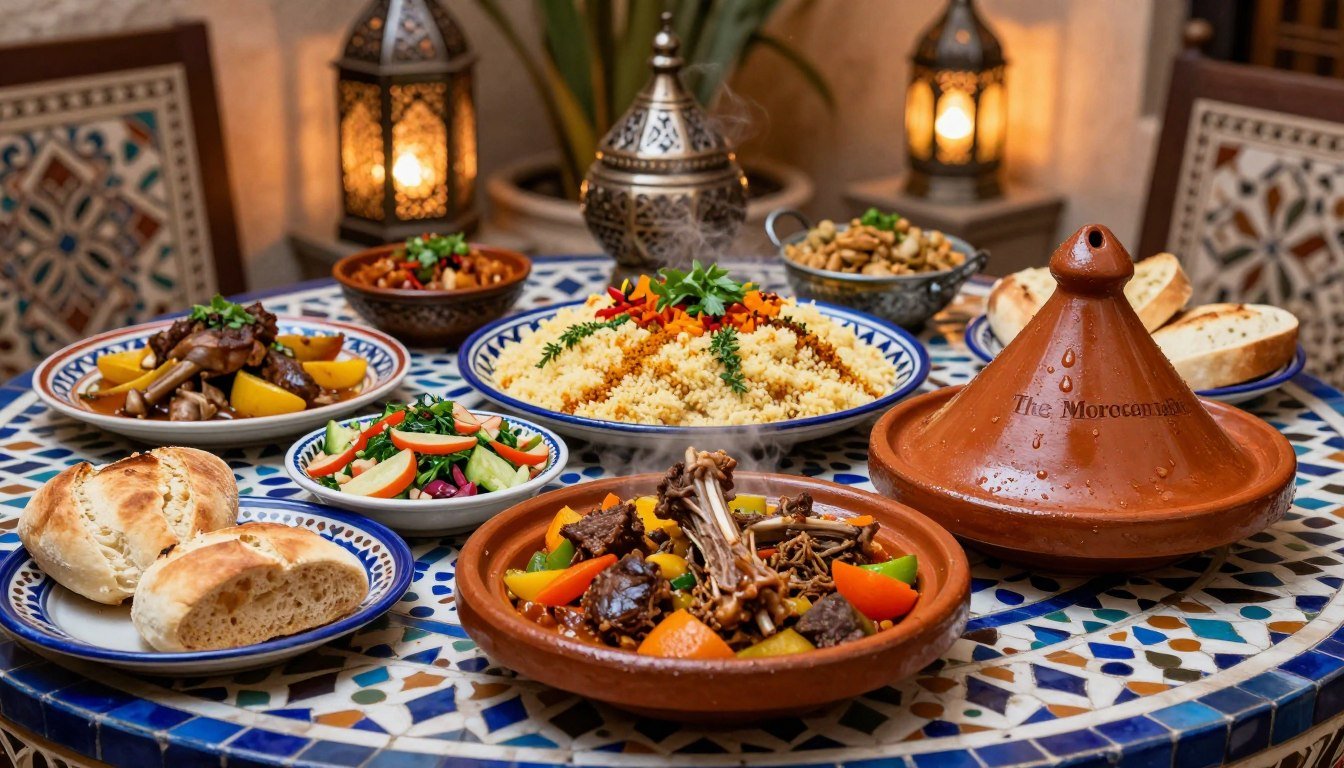
Moroccan cuisine has won the hearts and taste buds of people everywhere. It’s a top choice for food lovers.
Its cultural heritage and mix of culinary traditions make it a thrilling food journey. You’ll find something new and exciting with every bite.
The global appeal of Moroccan food comes from blending old flavors with new ones. This creates a dining experience you’ll never forget.
Key Takeaways
- Moroccan cuisine is renowned for its rich cultural heritage.
- The blend of culinary traditions creates a unique gastronomic experience.
- Its global appeal lies in the successful merge of traditional and modern flavors.
- Moroccan cuisine offers a diverse range of dishes.
- The cuisine is characterized by its bold flavors and aromas.
The Rich Cultural Heritage Behind Moroccan Cuisine
Moroccan food is a lively mix of cultures. It draws from Arab, Berber, Mediterranean, and African traditions. This blend of cultures gives Moroccan dishes their unique tastes and cooking styles.
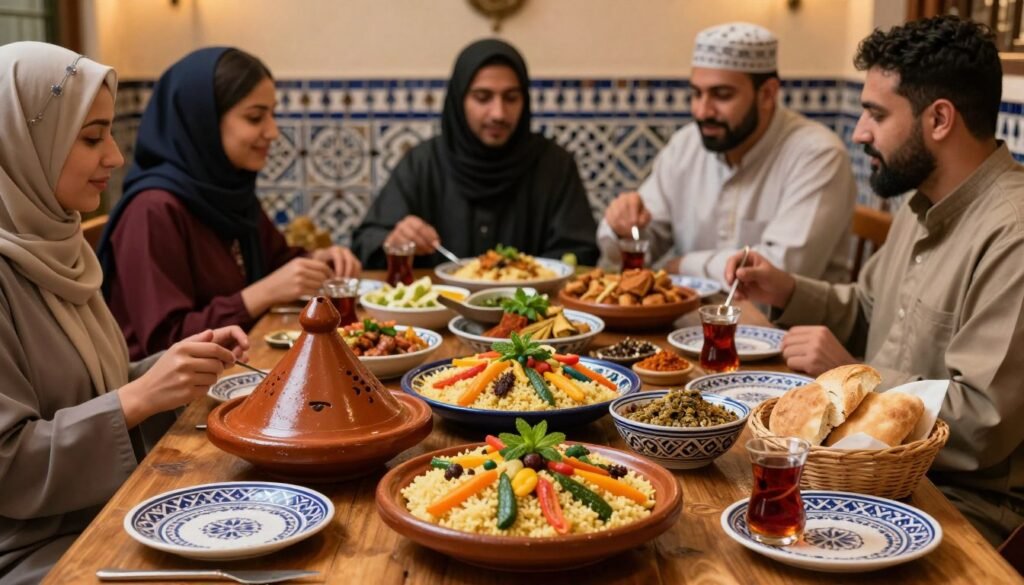
Influences from Arab, Berber, Mediterranean and African Cultures
Morocco’s culture is rich and varied. The Arab influence is seen in the use of spices like saffron and cumin. The Berber community has contributed dishes like tagines and couscous. The Mediterranean diet is also present, with ingredients like olives and olive oil.
African flavors add depth to Moroccan food. They are seen in certain spices and cooking methods.
“Moroccan cuisine is a true reflection of the country’s history and cultural diversity.”
The Historical Spice Trade’s Impact on Flavor Development
The spice trade greatly influenced Moroccan flavors. Spices like cumin, coriander, and cinnamon were highly sought after. They were traded on ancient routes, introducing new tastes and shaping Moroccan spice blends.
| Spice | Origin | Use in Moroccan Cuisine |
|---|---|---|
| Saffron | Middle East | Used in tagines and couscous for its distinct flavor and color |
| Cumin | Middle East and India | Common in spice blends and used to season meats and vegetables |
| Cinnamon | Sri Lanka and India | Used in both sweet and savory dishes, including tagines and desserts |
Why Moroccan Food Is Popular Around the Globe
Moroccan cuisine is loved worldwide for its unique flavors. It’s a mix of exotic and familiar tastes. This makes it a hit with food lovers everywhere.
The Distinctive Blend of Exotic and Familiar Flavors
Moroccan food combines spices like cumin and cinnamon with ingredients like preserved lemons. This creates a taste that’s both exciting and easy to enjoy. The country’s mix of cultures adds to this special flavor.
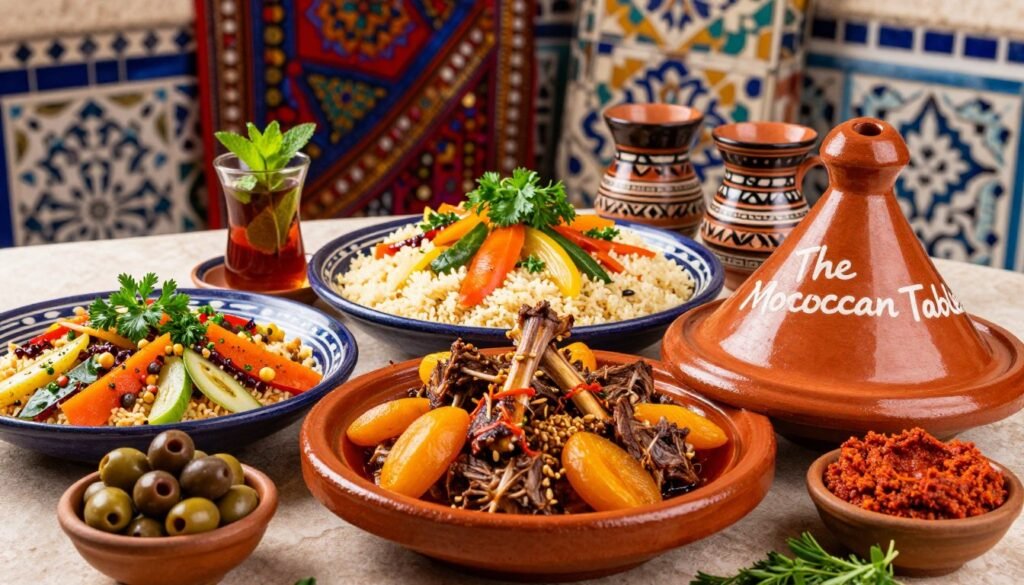
Visual Appeal and Presentation Traditions
Moroccan dishes are not just tasty but also beautiful. They’re decorated with fresh herbs and nuts. This makes them a treat for the eyes and taste buds.
Accessibility and Adaptability to Various Dietary Preferences
Moroccan food suits many diets. It’s often vegetarian or vegan, and easy to adjust for others. It’s also healthy because of its focus on fresh ingredients and spices.
In short, Moroccan food’s popularity comes from its unique flavors, beauty, and flexibility. As the world connects more, more people discover and enjoy Moroccan cuisine’s rich traditions.
Essential Ingredients in Authentic Moroccan Cooking
Moroccan cooking is all about its authentic ingredients. These ingredients mix tradition with exotic tastes. Moroccan dishes are known for their rich flavors and aromas.
Spices: Cumin, Cinnamon, Saffron and More
Spices are key in Moroccan cooking. Cumin, cinnamon, and saffron are used a lot. They add depth and a unique smell to dishes. Toasting and grinding spices brings out their flavor.
How to Toast and Grind Spices for Maximum Flavor
Toasting spices boosts their taste. Start by heating a dry pan over medium heat. Add the spices and stir until they smell good. Let them cool, then grind them into a fine powder.
Preserved Lemons and Olives: The Tangy Foundation
Preserved lemons and olives are key in Moroccan cooking. They add a tangy, salty taste to dishes. Lemons are salted and fermented, while olives are cured in salt or brine. They make tagines and salads special.
| Ingredient | Preparation Method | Common Use |
|---|---|---|
| Preserved Lemons | Salting and Fermenting | Tagines, Salads |
| Olives | Curing in Salt or Brine | Tagines, Appetizers |
Nuts, Dried Fruits and Honey: The Sweet Elements
Nuts, dried fruits, and honey sweeten Moroccan dishes. Almonds, dates, and honey are used in desserts. They add natural sweetness and mix well with spices.
In conclusion, Moroccan cooking relies on spices, preserved lemons and olives, and sweet ingredients. Knowing these ingredients is crucial for making authentic Moroccan dishes.
Traditional Cooking Methods and Their Modern Adaptations
Moroccan cuisine is rooted in slow cooking and careful preparation. These methods have been perfected over centuries. They not only boost the flavors but also tell the story of the dishes’ culture and history.
The Tagine: Both a Dish and Cooking Vessel
The tagine is key to Moroccan cooking. It’s both a cooking pot and the name of the dishes made in it. Its conical shape traps steam, which then falls back into the dish. This makes the food tender and full of flavor.
Traditionally, tagines are made of clay. But today, you can find them in ceramic or cast iron too. If you don’t have a tagine, Dutch ovens or slow cookers can work just as well. This makes cooking like a Moroccan chef easy for everyone.
Slow Cooking Techniques for Maximum Flavor Development
Slow cooking is essential in Moroccan cuisine. It lets flavors grow and intensify. By simmering stews and braising meats slowly, you get tender food with deep, rich flavors. Modern cooks use pressure cookers or slow cookers to speed up this process.
By using both old and new cooking ways, anyone can make delicious Moroccan dishes. These dishes are full of taste and rich in history.
How to Master Moroccan Staple Dishes at Home
To bring Moroccan flavors into your kitchen, start with a few key dishes. Moroccan cuisine is known for its rich flavors and aromas. With practice, you can make these dishes at home.
Preparing the Perfect Couscous: Step-by-Step Guide
Cooking couscous is simple but needs attention to detail. Start with 1 cup of couscous and 1.5 cups of water. Boil the water, then add a pinch of salt and olive oil.
Pour in the couscous, cover, and steam for about 10 minutes. Fluff it with a fork to separate the grains. Steam it one more time for the perfect texture.
Creating Authentic Tagine Dishes: Techniques and Tips
A tagine is both a dish and a cooking vessel. To make an authentic tagine, layer ingredients like meat, vegetables, and dried fruits in a tagine pot or Dutch oven.
Use spices like cumin, coriander, and cinnamon for depth. Cook over low heat for at least an hour. This lets the flavors meld together.
Mastering Moroccan Bread and Dips
Khobz: Traditional Moroccan Bread Recipe
Khobz is a traditional Moroccan bread easy to make at home. Mix flour, yeast, salt, and water to form a dough. Let it rise, then shape into rounds and bake until golden.
Essential Moroccan Dips and Spreads
Moroccan cuisine has many dips and spreads great with khobz. Some popular ones include:
| Dip/Spread | Main Ingredients | Usage |
|---|---|---|
| Chermoula | Parsley, cilantro, garlic, lemon juice | Serve with grilled meats or as a dip |
| Zaalouk | Eggplant, tomatoes, garlic, olive oil | Serve as a side dish or dip |
| B’stilla filling | Meat, onions, spices, eggs | Use as a filling for pastries |
Mastering these Moroccan dishes lets you bring Moroccan flavors home. Remember, practice makes perfect. Don’t get discouraged if your first tries don’t turn out right.
The Social Aspect of Moroccan Cuisine
In Morocco, food is more than just food; it’s a way to connect with others. It fosters a sense of community and belonging. The social aspect of Moroccan cuisine shows the country’s values of hospitality and togetherness.
Communal Dining and Hospitality Traditions
Moroccan meals are shared, with dishes in the center of the table. This style encourages social interaction and strengthens family bonds. Hospitality is a cornerstone of Moroccan culture, where guests are treated with respect and generosity.
The Ritual of Moroccan Mint Tea Service
Moroccan mint tea is a symbol of hospitality and friendship. The art of preparing and serving mint tea is highly valued. Tea is poured from a height to create a frothy texture.
Step-by-Step Guide to Brewing Authentic Mint Tea
- Choose high-quality green tea leaves and fresh mint.
- Rinse the tea leaves with boiling water, then add fresh mint and sugar to taste.
- Pour the tea from a height to create a frothy top, a signature of authentic Moroccan mint tea.
Brewing mint tea is a ritual that brings people together. It creates a warm and welcoming atmosphere that is quintessentially Moroccan.
Adapting Moroccan Flavors to American Kitchens
Bringing Moroccan flavors into American kitchens is a fun journey. It mixes exotic tastes with familiar ones. Moroccan food, with its deep culture and spices, fits well in American cooking with a few tweaks.
Finding the right ingredients is a big challenge. But, many Moroccan staples have American substitutes.
Ingredient Substitutions for Hard-to-Find Items
Preserved lemons and Ras el hanout spice mix are key for Moroccan taste. If you can’t find them, use fresh lemons and salt for lemons. For Ras el hanout, mix cumin, coriander, cinnamon, and ginger.
| Moroccan Ingredient | American Substitute |
|---|---|
| Preserved Lemons | Fresh Lemons + Salt |
| Ras el hanout | Cumin, Coriander, Cinnamon, Ginger mix |
| Argan Oil | Olive Oil or Avocado Oil |
Time-Saving Techniques That Preserve Authentic Flavors
Moroccan dishes are slow-cooked, which takes time. Use pressure cookers or slow cookers to speed up cooking. Also, prep ingredients ahead to make cooking easier.
Key time-saving techniques include:
- Using a pressure cooker for tagines and stews
- Preparing ingredients in advance
- Utilizing a slow cooker for long-simmered dishes
Weekly Meal Planning with Moroccan-Inspired Dishes
Adding Moroccan dishes to your meal plan makes meals more exciting. Cook a big tagine or stew one day. It reheats well. Couscous and salad bowls with toppings are quick and tasty.
With these tips, you can enjoy Moroccan flavors in your American kitchen.
Health Benefits of Traditional Moroccan Dietary Patterns
The traditional Moroccan diet is full of spices, herbs, and fresh ingredients. It’s known for its health benefits, attracting the attention of nutritionists globally. Morocco’s diet combines Mediterranean and African flavors, thanks to its culture and location.
Mediterranean Diet Influences and Nutritional Value
The Moroccan diet takes cues from the Mediterranean diet, famous for its health perks. It focuses on olive oil, fresh veggies, fruits, and whole grains for nutrients. It also includes lots of legumes and nuts, packed with protein and fiber.
- High intake of monounsaturated fats from olive oil
- Rich in antioxidants from fresh fruits and vegetables
- Good source of fiber from whole grains and legumes
The diet’s nutritional value gets a boost from various spices. These spices add flavor and offer health benefits.
Therapeutic Properties of Common Moroccan Spices
Moroccan food is famous for its spices, many of which are good for you. Spices like cumin, cinnamon, and ginger fight inflammation. Saffron might even help with depression.
- Cumin: aids digestion and has antioxidant properties
- Cinnamon: has anti-inflammatory properties and can help lower blood sugar
- Ginger: known for its anti-inflammatory properties and aids in digestion
These spices make Moroccan dishes taste great. They also add to the diet’s health benefits.
Conclusion: Embracing the Timeless Appeal of Moroccan Gastronomy
Moroccan cuisine has won hearts worldwide with its deep flavors and scents. It shows the country’s rich cultural mix. The charm of Moroccan food comes from its special mix of old ingredients, cooking ways, and cultural touches.
Moroccan food’s fame around the globe comes from how it fits into many cuisines. Dishes like slow-cooked tagines and fluffy couscous are loved everywhere. The focus on eating together and welcoming guests also makes it popular.
Exploring Moroccan food takes us on a journey full of tradition and new ideas. It lets us feel the warmth and welcome of Morocco. Whether you love cooking or trying new foods, Moroccan cuisine offers a unique and lasting experience.