
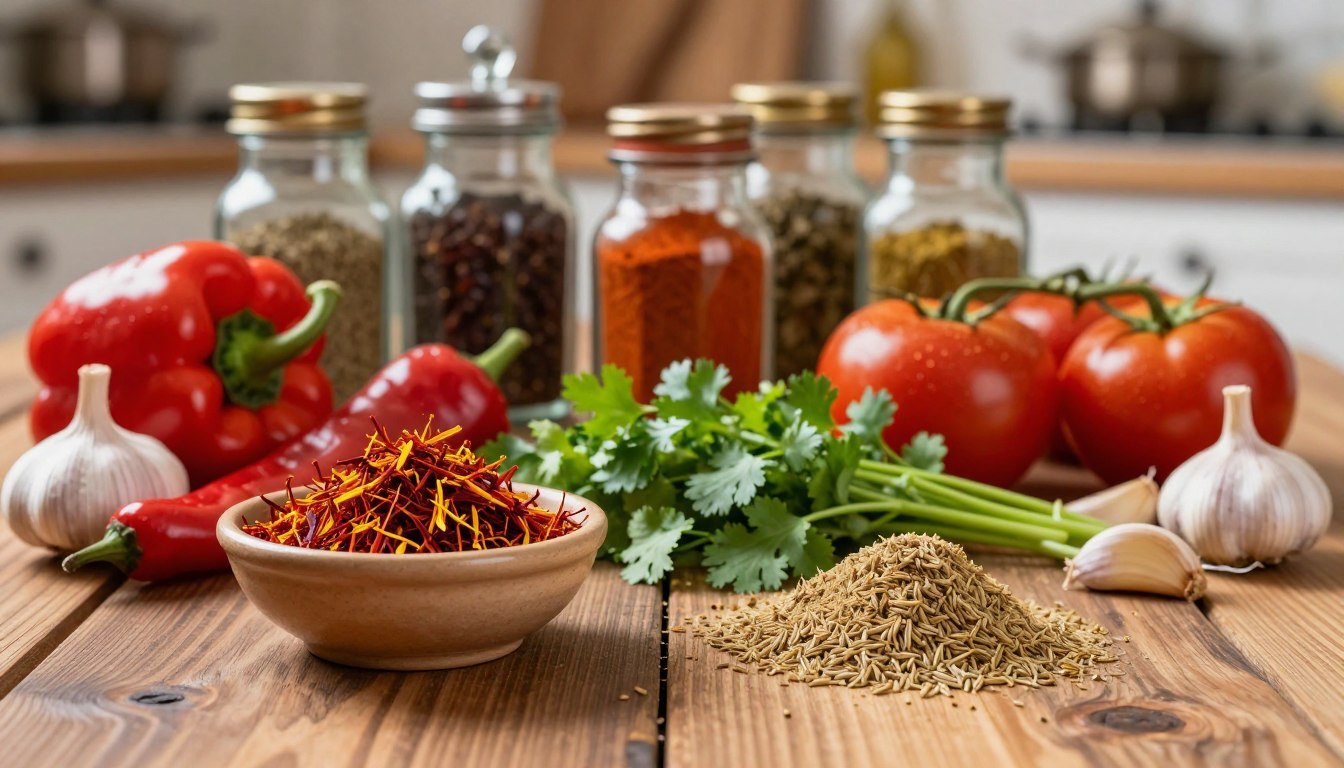
Starting your journey into Moroccan cuisine is exciting, even for beginners. The deep flavors and scents of North African cooking come from its essential ingredients. Knowing these key items is important for anyone wanting to try Moroccan cooking.
Spices make tagines rich, while preserved lemons add a tangy citrus taste. Each ingredient is crucial for the unique flavors of Moroccan dishes. This guide will show you the must-have ingredients for Moroccan cooking.
Key Takeaways
- Understanding the core ingredients is essential for exploring Moroccan cuisine.
- Spices and preserved lemons are key to creating complex flavor profiles.
- A beginner-friendly guide can help you get started with Moroccan cooking.
- Essential ingredients include a variety of spices, herbs, and condiments.
- Moroccan cuisine is known for its rich flavors and aromas.
The Fundamentals of Moroccan Cuisine
Moroccan cuisine is a mix of many cultures, shaped by trade and cultural exchange over centuries. This heritage is seen in the variety of flavors and ingredients used in traditional cooking.
The Cultural Significance of Moroccan Food
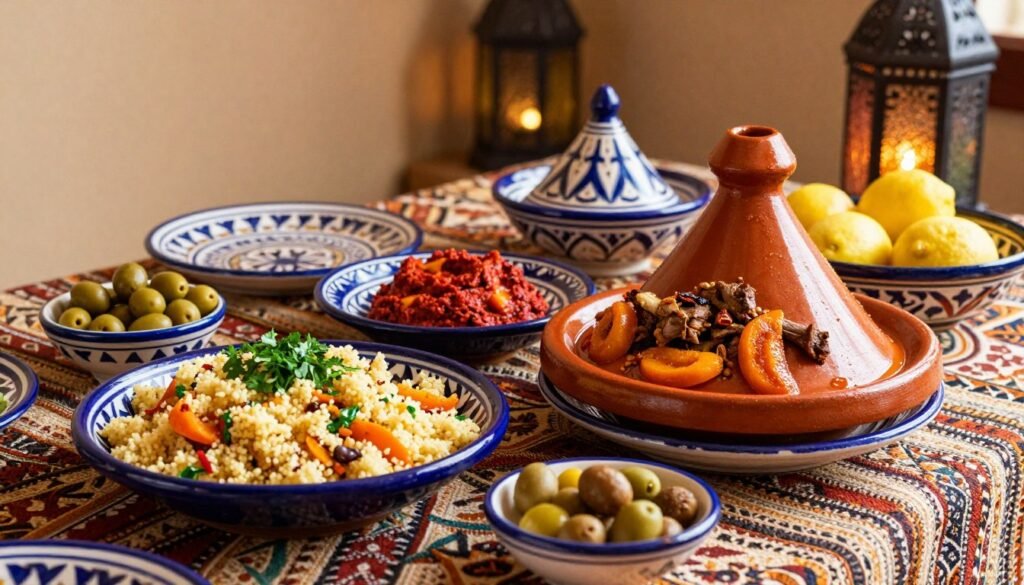
Moroccan food is a big part of the country’s culture and social life. Meals bring families and communities together, with special dishes served at celebrations. Food sharing shows the values of generosity and respect for guests.
The history of Moroccan food shows its Arab, Berber, Mediterranean, and African roots. This mix has created a unique taste that is distinctly Moroccan.
Regional Variations in Moroccan Cooking
Morocco’s different landscapes, from coast to mountains and deserts, have led to many regional cuisines. Each area has its own dishes and cooking ways, based on local ingredients and traditions. Coastal areas use more seafood, while inland places focus on meats and preserved foods.
Knowing about these regional differences helps us understand the depth and variety of Moroccan cuisine. It lets cooks try new recipes and ingredients, making meals more authentic.
Essential Moroccan Cooking Ingredients: The Complete Spice Guide
Moroccan dishes are known for their rich spice flavors. These spices are key to getting the authentic taste. Morocco’s spice blends are a big part of its culinary history.
Ras el Hanout: The Signature Moroccan Spice Blend
Ras el Hanout means “head of the shop” in Arabic. It’s a mix of the best spices, with over 30 ingredients like cumin, coriander, cinnamon, turmeric, and cardamom. Each person’s Ras el Hanout is different, making it special in Moroccan cooking.
Cumin, Coriander, and Cinnamon: The Foundation Trio
The trio of cumin, coriander, and cinnamon is crucial in Moroccan cooking. Cumin brings warmth, coriander adds a sweet and citrusy taste, and cinnamon adds a sweet warmth. Together, they create a unique flavor that’s truly Moroccan.
Saffron, Paprika, and Turmeric: Adding Color and Flavor
Saffron adds a luxurious, earthy flavor, paprika brings smoky sweetness, and turmeric adds yellow color and a slightly bitter taste. These spices enhance both the color and flavor of Moroccan dishes.
Building Your Beginner’s Spice Collection
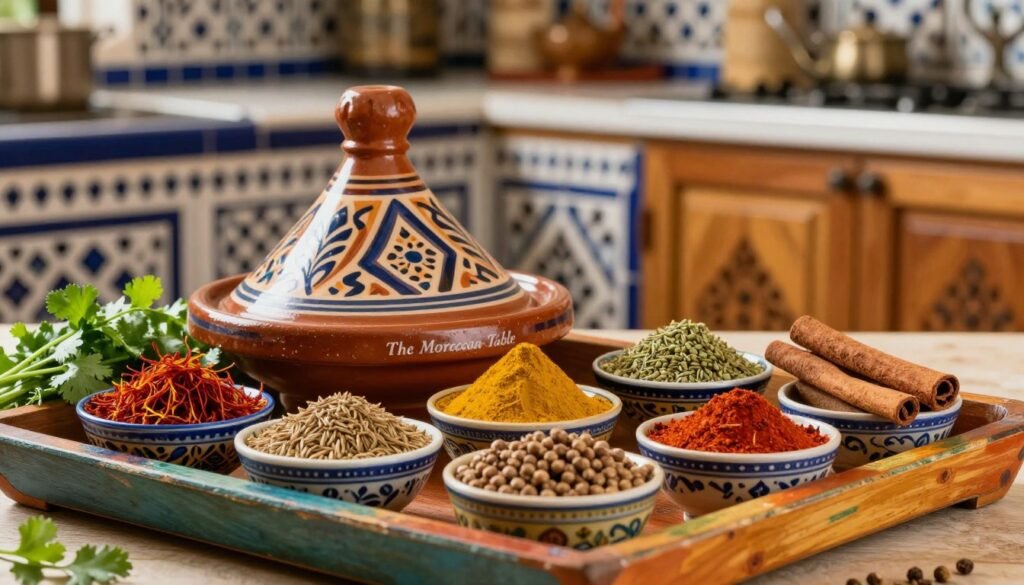
Starting a Moroccan spice collection can seem hard, but it’s easier with the basics. Start with cumin, coriander, cinnamon, paprika, turmeric, and Ras el Hanout. As you get better at cooking Moroccan dishes, you can add more spices to your collection.
| Spice | Flavor Profile | Common Uses |
|---|---|---|
| Cumin | Warm, earthy | Tagines, stews, couscous |
| Coriander | Sweet, citrusy | Meat dishes, vegetable stews |
| Cinnamon | Warm, sweet | Desserts, tagines, savory dishes |
| Ras el Hanout | Complex, aromatic | Tagines, couscous, grilled meats |
Herbs That Define Moroccan Flavors
Moroccan cuisine is famous for its rich use of herbs. These herbs are key to its unique flavors. They add a complex taste that is both aromatic and savory.
Fresh Cilantro and Parsley: The Green Foundations
Fresh cilantro and parsley are essential in Moroccan cooking. They add freshness and depth to many dishes. Together, they create a balanced flavor.
Mint: More Than Just Tea
Mint is widely used in Moroccan cooking, beyond just tea. It adds a cooling flavor to salads, garnishes, and more.
Dried vs. Fresh Herbs in Moroccan Cooking
Choosing between dried and fresh herbs depends on the dish. Fresh herbs bring a bright flavor, while dried herbs offer a more intense taste. Knowing when to use each is crucial for authentic Moroccan flavors.
| Herb | Fresh Use | Dried Use |
|---|---|---|
| Cilantro | Salads, garnishes | Stews, tagines |
| Parsley | Salads, garnishes | Soups, stews |
| Mint | Tea, salads, garnishes | Lamb dishes, desserts |
Essential Oils, Preserves, and Flavor Enhancers
Moroccan cooking is all about its special mix of essential oils, preserves, and flavor enhancers. These key ingredients make dishes taste amazing. They add complex and aromatic flavors that are unique to Moroccan cuisine.
Argan Oil: Morocco’s Liquid Gold
Argan oil is a must-have in Moroccan cooking. It has a rich, nutty taste. It’s used in salad dressings, as a finishing touch for tagines, and even in beauty treatments.
Getting oil from argan nuts is hard work. This makes the oil very valuable and gives it a special flavor.
Olive Oil: The Everyday Essential
Olive oil is a key part of Moroccan cooking. It’s used for cooking and dressing salads. Its mild taste makes it great for many dishes, like sautéing veggies or making Moroccan bread.
Preserved Lemons: A Unique Flavor Dimension
Preserved lemons bring a salty-sour taste to Moroccan dishes like tagines and salads. They’re made by salting and fermenting lemons. This makes their rind soft and adds a special flavor.
Harissa and Other Condiments
Harissa, a spicy chili pepper paste, adds heat to Moroccan dishes. Other condiments like preserved lemons and olive tapenade also add flavor. These are often mixed together to get the right taste.
In short, essential oils, preserves, and flavor enhancers are crucial in Moroccan cooking. Each one brings unique flavors and aromas. By using these ingredients, cooks can make authentic Moroccan dishes that are full of flavor and rich in cultural heritage.
Grains and Legumes in Moroccan Cooking
In Moroccan cooking, grains and legumes are key. They add flavor and nutrition to dishes. These ingredients are essential for many traditional recipes.
Couscous: The National Staple
Couscous is a famous grain in Moroccan food. It’s made from semolina flour and steamed. It’s served with veggies, meats, and sauces.
Couscous is more than food; it’s a symbol of family and celebration. It’s often at the heart of gatherings.
Chickpeas and Lentils: Protein-Packed Essentials
Chickpeas and lentils are common in Moroccan dishes. They’re full of protein and fiber. Chickpeas are in stews and salads, while lentils are in soups and stews.
Semolina and Other Wheat Products
Semolina is used for couscous and pastries. It’s made from durum wheat. Other wheat products like bread and pastry are also important in Moroccan food.
| Ingredient | Common Use | Nutritional Benefit |
|---|---|---|
| Couscous | Main dish, side dish | Rich in carbohydrates, fiber |
| Chickpeas | Stews, salads | High in protein, fiber |
| Lentils | Soups, stews | Rich in protein, iron |
| Semolina | Couscous, pastries, bread | Good source of carbohydrates, protein |
Fruits and Vegetables in Traditional Moroccan Dishes
Fruits and vegetables are key in Moroccan cooking. They add lots of flavors and textures. They are used fresh or dried, making Moroccan dishes special.
Dried Fruits: Apricots, Dates, and Raisins
Dried fruits are a big deal in Moroccan cooking. Apricots, dates, and raisins are favorites. They add sweetness and chewiness to dishes.
They’re often found in tagines, couscous, and as snacks. Their sweetness balances out the savory flavors, making dishes taste great together.
Olives and Their Varieties
Olives are a must in Moroccan cooking. Green and black olives add a salty taste. They’re used in tagines, salads, and as a condiment.
Olives are very versatile. They’re a key ingredient in many Moroccan recipes.
Seasonal Vegetables in Moroccan Cuisine
Seasonal vegetables are important in Moroccan cooking. Dishes often feature fresh produce. Vegetables like carrots, zucchini, and bell peppers are favorites in tagines and salads.
Using seasonal vegetables makes dishes fresh and tasty. It shows off the best of each season.
Meat, Poultry, and Seafood in Moroccan Recipes
Moroccan cuisine is known for its rich use of meats, poultry, and seafood. Choosing the right protein is key to making true Moroccan dishes.
Lamb: The Preferred Protein
Lamb is a big deal in Moroccan cooking. It’s found in dishes like tagines and couscous. Its taste and softness are loved by everyone.
Lamb’s versatility lets it be slow-cooked, grilled, or stewed. This makes it perfect for many recipes.
Chicken and Seafood Options
Chicken and seafood are also big in Moroccan food. Chicken is often used in tagines with lemons and olives. This makes a flavorful and aromatic dish.
Seafood, mainly in coastal areas, is grilled or stewed with spices. This adds a fresh twist to Moroccan cooking.
Halal Considerations for American Cooks
American cooks need to make sure the meat is halal for authenticity. This means getting meat from trusted suppliers that follow halal rules. Understanding halal certifications is important. It helps cooks make real Moroccan dishes.
By using these proteins and keeping halal in mind, cooks can make many authentic Moroccan dishes.
Combining Moroccan Cooking Ingredients for Authentic Flavors
Moroccan cuisine is known for its rich and balanced flavors. This comes from mixing different ingredients in special ways. To make authentic Moroccan dishes, it’s important to know how to mix and layer flavors.
Balancing Sweet and Savory Elements
Moroccan cooking is all about mixing sweet and savory tastes. This is done by combining dried fruits like apricots, dates, and prunes with meats like lamb or chicken. Spices are also added to the mix. For example, dried apricots complement the savory taste of lamb in a traditional tagine.
Paula Wolfert, a Moroccan food expert, says, “The mix of sweet and savory is key in Moroccan cooking.”
“The art of balancing flavors is what makes Moroccan cooking so unique and flavorful.”
Layering Flavors in Moroccan Cooking
In Moroccan cooking, layering flavors is a common technique. Ingredients are added at different times to deepen the flavor. For instance, onions are cooked first in a tagine to set the base flavor. Then, spices, meats, and dried fruits are added.
This method lets the flavors blend, creating a rich taste experience. Chef Fatima says, “The secret to a great tagine is layering flavors; it makes the dish truly authentic.”
Common Flavor Combinations for Beginners
For beginners, starting with simple flavor mixes is a good idea. A common mix is cumin, coriander, and cinnamon. This gives dishes like couscous and stews a warm, earthy taste.
Another easy mix is preserved lemons and olives. They add a salty, tangy flavor to tagines and salads. Trying these mixes helps beginners learn to make authentic Moroccan flavors.
Beginner-Friendly Moroccan Recipes to Practice With
Discover the flavors of Morocco with simple, easy-to-make dishes perfect for beginners. Moroccan cuisine is known for its rich flavors and aromas. With these recipes, you can start your culinary journey.
Simple Tagine for First-Timers
A traditional Moroccan tagine is a slow-cooked stew named after the clay pot in which it’s cooked. For beginners, a simple chicken tagine with preserved lemons and olives is a great starting point. This dish is flavorful and relatively easy to prepare, requiring ingredients like chicken, onions, ginger, and spices.
Easy Moroccan Couscous Salad
Couscous is a staple in Moroccan cuisine, and making a Couscous Salad is a great way to enjoy it. Mix cooked couscous with chopped vegetables like tomatoes, cucumbers, and bell peppers, and add herbs such as parsley and mint. A simple lemon juice and olive oil dressing brings everything together.
Basic Moroccan Mint Tea
No discussion of Moroccan cuisine is complete without mentioning Mint Tea, a refreshing and traditional beverage. To make it, you’ll need green tea, fresh mint leaves, and sugar. The key is to use plenty of mint and let it steep for a few minutes to release its flavor.
These recipes are just the beginning of your Moroccan cooking adventure. They’re perfect for practicing the flavors and techniques discussed in the previous sections. They will give you the confidence to explore more complex dishes.
Where to Find Moroccan Ingredients in the United States
Finding Moroccan ingredients in America is easier with specialty stores and online resources. Moroccan food is known for its rich flavors and aromas. It needs specific ingredients that might not be in every local store.
Specialty Stores and Online Resources
Stores that focus on international or Middle Eastern/North African products often have Moroccan ingredients. Online shopping has also made it easier. You can find these ingredients with shipping to your door. Stores like Kalustyan’s and Dean & DeLuca carry Moroccan staples like ras el hanout and argan oil.
Mainstream Grocery Store Options
Many grocery stores now carry international or Middle Eastern ingredients. This makes it easier to find some Moroccan staples without going to a specialty store. Ingredients like cumin and olive oil are usually available. Some stores also have an international section with couscous and preserved lemons.
Making Substitutions When Necessary
Not finding a specific Moroccan ingredient is common. In such cases, you can substitute with similar ingredients. For example, if ras el hanout is not available, you can make a similar spice blend. Knowing the flavors of Moroccan ingredients helps you make good substitutions.
Conclusion: Building Your Moroccan Pantry Step by Step
Building a Moroccan pantry is an exciting culinary journey. You’ll start by stocking up on key ingredients and spices. This will help you make authentic Moroccan dishes.
Begin with the basics: ras el hanout, cumin, coriander, cinnamon, saffron, paprika, and turmeric. These are the foundation of Moroccan cooking.
Next, explore Moroccan herbs like fresh cilantro, parsley, and mint. Add preserved lemons, argan oil, and harissa to your collection. With these, you can make a variety of traditional Moroccan dishes, from tagines to couscous salads.
Building your pantry step by step lets you try new flavors and techniques. Visit specialty stores or online resources to find what you need. With patience and practice, you’ll become skilled at making delicious Moroccan meals. Your culinary journey will be a flavorful success.