
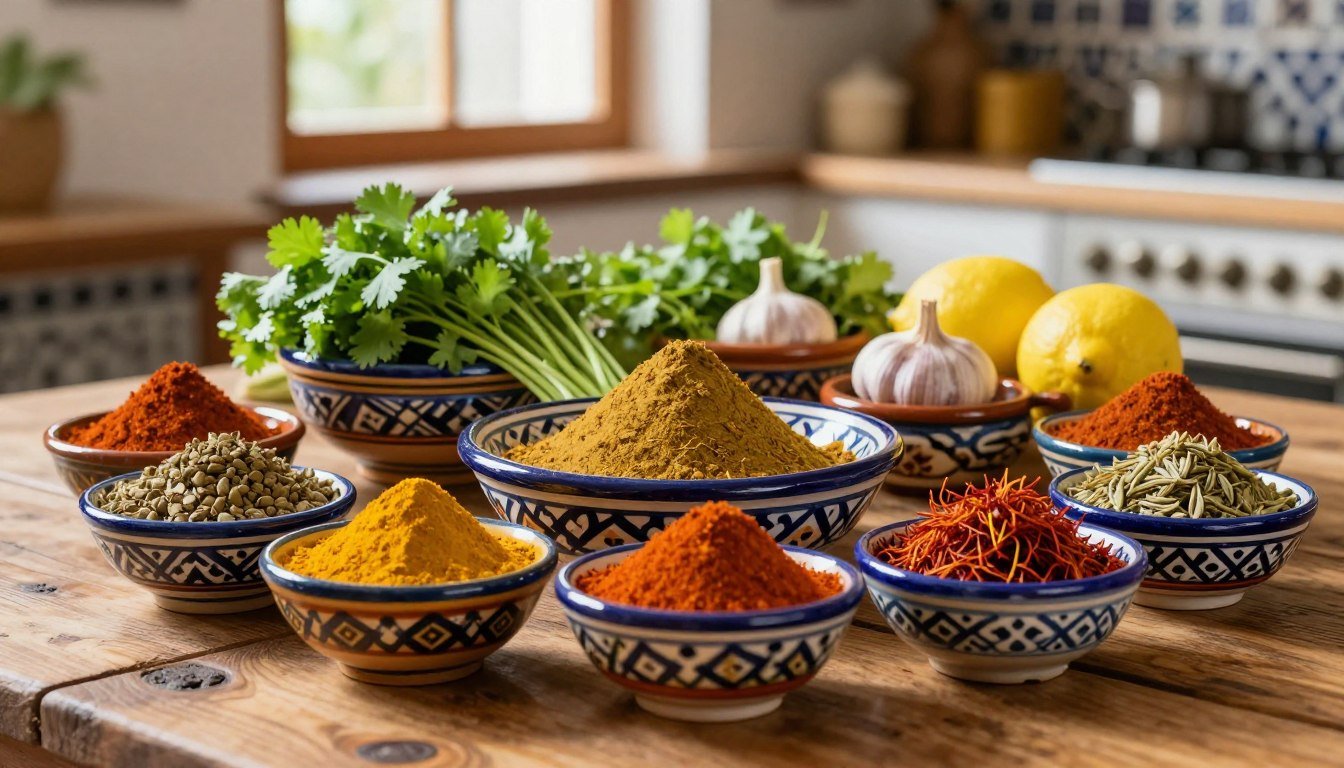
Exploring the Flavors of Morocco
Moroccan cuisine is famous for its deep flavors and scents. This is thanks to the careful use of spices and ingredients. The art of Moroccan cooking is about mixing these elements right to make healthy meals.
The focus on balanced meals is key in this cuisine. It makes sure dishes taste great and are good for you. By learning about Moroccan spices and ingredients, you can discover the secrets of healthy Moroccan cooking.
Key Takeaways
- Moroccan cuisine emphasizes rich flavors and aromas through the use of spices and ingredients.
- Balanced meals are a cornerstone of Moroccan cooking, ensuring nutritional value.
- Understanding Moroccan spices and ingredients is key to healthy cooking.
- Moroccan dishes are both flavorful and nutritious.
- The art of Moroccan cooking lies in balancing spices and ingredients.
The Essence of Moroccan Cuisine
Moroccan cuisine is a rich mix of cultures and flavors. This comes from Morocco’s location at the crossroads of Africa, Europe, and the Middle East.
Cultural Influences on Moroccan Food
Moroccan food is shaped by many cultures, like Arab, Berber, Mediterranean, and African. You can see this in the spices, ingredients, and cooking methods. For example, the spice mix ras el hanout shows Arab and Berber roots.
Regional Variations in Moroccan Cooking
Different parts of Morocco have their own special dishes and ingredients. This is because of what’s available locally. For example:
- The coastal regions are known for their seafood dishes, often flavored with cumin and coriander.
- The Atlas Mountains region is famous for its hearty tagines, slow-cooked stews made with meat, vegetables, and dried fruits.
- The southern regions incorporate more Berber traditions, using ingredients like dates and preserved lemons.
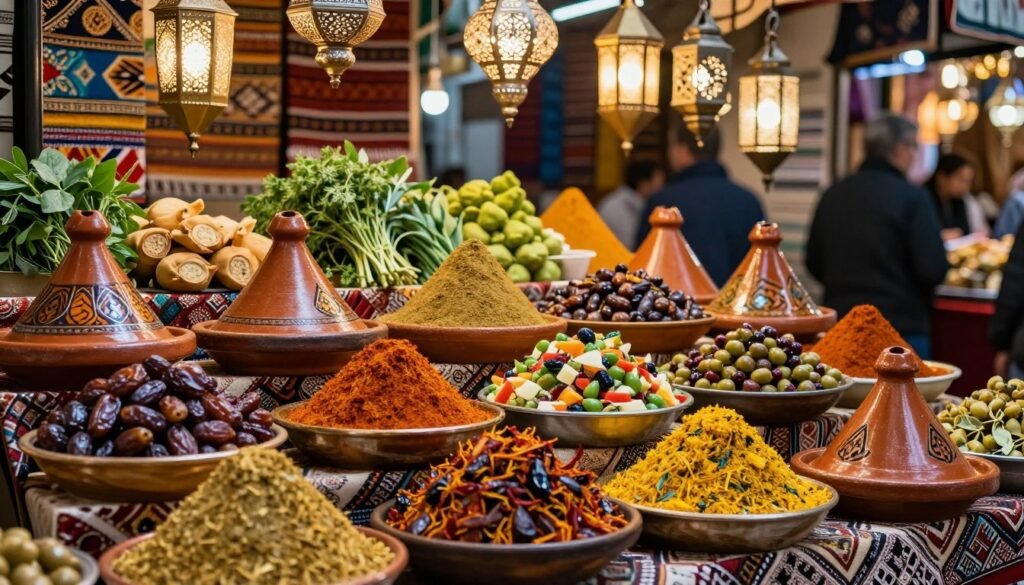
This mix of cultures and local flavors makes Moroccan cuisine truly unique and delicious.
Health Benefits of Traditional Moroccan Dishes
Moroccan cooking is packed with health benefits. It’s rich in nutrients and has anti-inflammatory properties. The diet focuses on whole grains, veggies, lean proteins, and healthy fats. This makes it balanced and good for you.
Nutritional Profile of Mediterranean-Influenced Cuisine
Moroccan food gets its nutritional value from the Mediterranean diet. Dishes are full of fruits, veggies, whole grains, and healthy fats. This helps keep your heart healthy and lowers the risk of chronic diseases. Olive oil, a key ingredient, adds healthy fats to your meals.
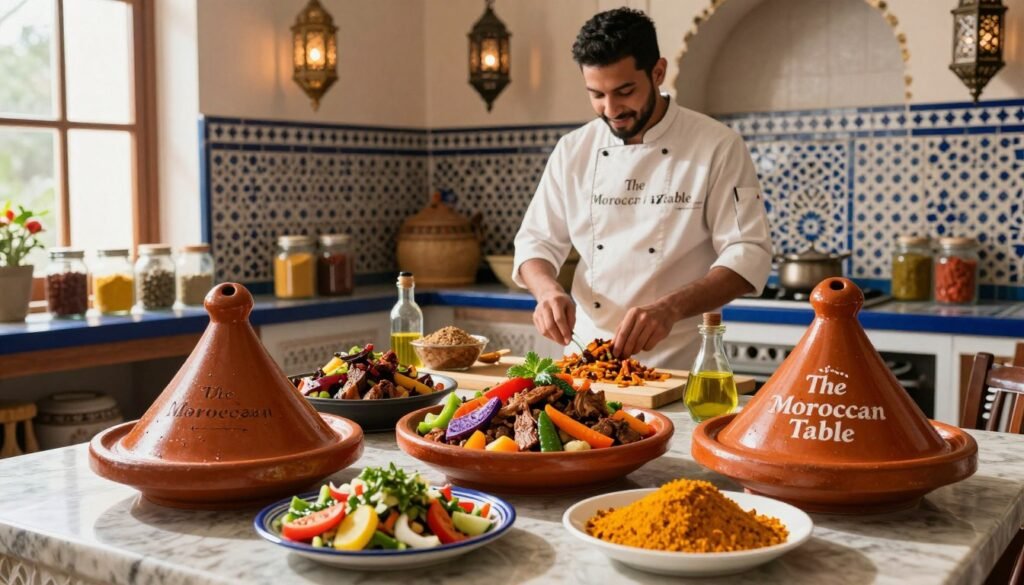
Anti-inflammatory and Antioxidant Properties of Moroccan Spices
Moroccan spices like turmeric, cumin, and coriander do more than add flavor. They have anti-inflammatory and antioxidant properties. These spices can fight inflammation and protect against oxidative stress. This helps keep you healthy and feeling good.
Digestive Benefits of Moroccan Cooking Methods
Moroccan cooking methods are great for your digestion. Slow cooking in tagines and steaming couscous break down food well. This makes nutrients easier to digest and eases digestion problems. Moroccan food is tasty and easy on your stomach.
Essential Spices for Healthy Moroccan Cooking
Moroccan dishes are known for their vibrant flavors, thanks to spices. These spices are key to cooking healthily. Moroccan cuisine is a mix of spices, each adding its own flavor and health benefits.
Cumin, Coriander, and Cinnamon: Usage and Benefits
Cumin, coriander, and cinnamon are must-haves in Moroccan cooking. Cumin helps with digestion. Coriander is full of antioxidants. Cinnamon fights inflammation. Together, they make dishes both tasty and healthy.
Ras el Hanout: The Moroccan Spice Blend
Ras el Hanout, or “head of the shop,” is a mix of up to 30 spices. It adds depth and warmth to tagines and other dishes.
Saffron, Turmeric, and Other Healing Spices
Saffron and turmeric are valued for their health perks. Saffron is full of antioxidants. Turmeric has curcumin, which fights inflammation well.
Proper Storage and Maximizing Spice Freshness
To keep spices fresh, store them in a cool, dark spot. Grinding spices just before using them boosts their flavor and health benefits.
| Spice | Health Benefits | Usage |
|---|---|---|
| Cumin | Aids digestion | Tagines, stews |
| Coriander | Rich in antioxidants | Marinades, salads |
| Cinnamon | Anti-inflammatory | Desserts, tagines |
In conclusion, using essential spices is crucial for healthy Moroccan cooking. Knowing their benefits and using them right helps make tasty, nutritious meals.
Foundational Ingredients for Authentic Moroccan Dishes
Moroccan cooking relies on a few key ingredients. These ingredients are essential for making dishes that taste great and are good for you.
Olive Oil: The Heart of Moroccan Cooking
Olive oil is a must in Moroccan cooking. It’s used a lot for cooking and as a final touch. Its taste and health benefits make it perfect for cooking spices, veggies, and traditional dishes like tagines and couscous.
Health Benefits of Olive Oil: Olive oil is full of antioxidants. It can help lower inflammation and improve heart health.
Preserved Lemons: How to Make and Use Them
Preserved lemons, or limou makbiz, add a unique salty, tangy taste to dishes. To make them, slice lemons thinly, layer them with salt in a jar, and let them ferment for weeks.
“Preserved lemons are a game-changer in Moroccan cooking, adding a depth of flavor that’s hard to replicate with other ingredients.”
Whole Grains: Couscous, Bulgur, and Barley
Whole grains like couscous, bulgur, and barley are key in Moroccan cooking. They add fiber, nutrients, and texture to dishes.
| Whole Grain | Common Uses | Nutritional Benefits |
|---|---|---|
| Couscous | Traditional side dish, salads | Rich in selenium, fiber |
| Bulgur | Salads (e.g., tabbouleh), pilafs | High in fiber, manganese |
| Barley | Soups, stews, salads | Rich in fiber, vitamins |
Fresh Herbs in Moroccan Cuisine
Fresh herbs like parsley, cilantro, and mint are used a lot in Moroccan cooking. They add freshness and flavor to dishes. They’re often used as garnishes or mixed into salads, tagines, and other recipes.
Using these ingredients in your cooking can help you make authentic Moroccan dishes. By knowing the importance of olive oil, preserved lemons, whole grains, and fresh herbs, you can bring Moroccan flavors into your kitchen.
Plant-Based Proteins in Moroccan Cooking
Plant-based proteins are key in Moroccan cooking. They offer many options for those who don’t eat meat. Moroccan dishes use chickpeas, lentils, nuts, and seeds. These foods are not only healthy but also easy to use in many ways.
Chickpeas and Lentils: Preparation Techniques
Chickpeas and lentils are big in Moroccan cooking. They’re found in stews and salads. Chickpeas need soaking and boiling to be tender. Lentils are sautéed with onions and spices before simmering.
Soaking, boiling, and stewing are key steps.
- Soaking chickpeas overnight makes them cook faster.
- Lentils can be spiced up for more flavor.
- Both chickpeas and lentils are great in salads, stews, and as sides.
Nuts and Seeds as Protein Sources
Nuts and seeds, like almonds and sesame seeds, are big protein sources in Moroccan food. They’re often used as toppings or mixed into dishes. Almonds are a favorite in tagines and couscous.
Balancing Proteins in Vegetarian Moroccan Meals
It’s important to balance proteins in vegetarian Moroccan meals. This can be done by mixing different plant-based proteins. For example, a meal might have couscous, lentils, and veggies.
Traditional Cooking Methods for Healthier Meals
Moroccan cooking techniques add flavor and make meals healthier. These methods have been perfected over centuries. They focus on keeping meals nutritious and avoiding unhealthy ingredients.
Mastering the Tagine
The tagine is a key Moroccan cooking vessel. It’s great for slow cooking, which tenderizes meat and blends flavors. The conical lid of the tagine traps steam, keeping the dish moist and flavorful.
Slow Cooking Techniques for Maximum Flavor
Slow cooking is a big part of Moroccan cuisine. It’s perfect for blending spices and tenderizing ingredients. This method makes tough meat tender and nutritious.
- Use a tagine or a slow cooker to prepare meals.
- Allow dishes to cook for several hours to develop deep flavors.
- Minimize the need for added oils by using the natural juices of the ingredients.
Steam Cooking: The Art of Perfect Couscous
Steam cooking is a traditional Moroccan method, often used for couscous. Steaming couscous keeps its nutrients and makes it light and fluffy.
Minimal Oil Cooking Methods
Moroccan cuisine often uses less oil, like grilling, baking, or stewing. These methods keep the natural flavors and make dishes healthier.
Using these traditional Moroccan cooking methods makes meals tasty, healthy, and nutritious.
The Principles of Healthy Moroccan Cooking
Healthy Moroccan cooking changes how you make meals and feel. It’s all about mixing flavors, using good ingredients, and cooking the old way. This way of cooking is good for your health.
Balancing Flavors Without Excess Salt
Healthy Moroccan cooking is all about flavor balance without too much salt. It uses spices, herbs, and other things to make food taste great. For example, Ras el hanout, a Moroccan spice mix, makes food tasty without salt.
- Use a mix of spices to create layered flavors
- Incorporate fresh herbs like parsley and cilantro
- Utilize citrus and vinegar for brightness
Using Spices Instead of Fat for Flavor
Moroccan cooking uses spices to add flavor, not fat. Spices like cumin, coriander, and cinnamon make food taste good and are good for you. They help fight inflammation.
- Toast spices to release their oils and enhance flavor
- Grind spices fresh for maximum potency
- Combine spices in blends to create complex flavors
Incorporating Seasonal Vegetables
Using seasonal vegetables is key in healthy Moroccan cooking. It makes meals fresh, healthy, and varied all year. These veggies add color, texture, and taste to dishes.
Portion Control in Traditional Moroccan Dining
Portion control is important in healthy eating, and Moroccan meals naturally follow this. Meals are served to encourage eating just the right amount. This way, everyone gets to try different flavors.
By following these principles, you can enjoy Moroccan food’s rich tastes and health benefits. You’ll also keep your diet balanced and nutritious.
Creating Balanced Moroccan Meals
Making a balanced Moroccan meal means knowing the traditional way and using many ingredients. Moroccan food is full of flavor and good for you, making it a great choice for healthy eating.
The Structure of a Traditional Moroccan Meal
A traditional Moroccan meal begins with a salad, then a main dish like a tagine, and ends with fruit or dessert. This order brings together different tastes and textures, ensuring you get all the nutrients you need.
Combining Proteins, Carbohydrates, and Vegetables
Moroccan cooking is great at mixing proteins, carbs, and veggies in one dish. For instance, a vegetable tagine with chickpeas and couscous is a full meal. It has protein, complex carbs, and fiber.
Weekly Meal Planning with Moroccan Flavors
Planning meals with Moroccan flavors for the week is fun and healthy. Try making a big batch of couscous or a vegetable tagine. These can be reheated all week long.
Moroccan-Inspired Meal Prep Ideas
Meal prep is easy with Moroccan dishes like lentil soup or grilled chicken with preserved lemon. These can be made ahead and divided into portions for healthy meals all week.
| Meal Component | Moroccan Dish | Nutritional Benefits |
|---|---|---|
| Protein | Chickpea Tagine | High in protein and fiber |
| Carbohydrate | Couscous | Complex carbohydrates, gluten-free option |
| Vegetable | Roasted Vegetables with Ras el Hanout | Rich in vitamins and antioxidants |
Healthy Moroccan Breakfast and Starter Recipes
Explore the tastes of Morocco with these healthy breakfast and starter recipes. Moroccan food is rich and varied, offering many dishes for a healthy diet.
Whole Grain Baghrir (Moroccan Pancakes)
Baghrir, or Moroccan pancakes, are usually made with refined flour. But, using whole grain flour makes them healthier. Top them with fresh fruits and honey for a nutritious breakfast.
Shakshuka: Eggs Poached in Spiced Tomato Sauce
Shakshuka is a North African dish loved worldwide. It’s eggs poached in a spicy tomato sauce. This dish is tasty and nutritious. Use fresh tomatoes and less oil to make it healthier.
Tip: Adding vegetables like bell peppers and spinach boosts shakshuka’s nutrition.
Moroccan-Style Yogurt Bowls with Nuts and Honey
Yogurt bowls are a simple, healthy breakfast. Moroccan flavors like nuts and honey make them delicious. Choose low-fat yogurt, add your favorite nuts, and drizzle with honey.
“The key to a healthy breakfast is balance. Incorporating protein, healthy fats, and complex carbohydrates can keep you full and energized throughout the morning.”
Vegetable-Based Moroccan Salads
Moroccan salads are colorful and tasty, great for starters or light meals. Mix various vegetables, herbs, and a dressing of olive oil and lemon juice for a healthy salad.
Adding these healthy Moroccan breakfast and starter recipes to your diet lets you enjoy Moroccan flavors while staying balanced and nutritious.
Nutritious Moroccan Main Dishes
Moroccan main dishes are a treat for your taste buds and good for your health. They use whole grains, fresh veggies, and lean proteins. This makes Moroccan food a smart choice for healthy meals.
Vegetable-Forward Tagines
Tagines are key in Moroccan cooking, and veggie-packed ones are super nutritious. They have carrots, zucchini, and bell peppers, all cooked with spices in a clay pot. This slow cooking keeps the veggies’ nutrients, making the dish tasty and healthy.
Lean Protein Dishes with Moroccan Spices
Adding lean proteins like chicken, fish, or lentils boosts the health of Moroccan dishes. Spices like cumin, coriander, and turmeric add flavor and health benefits. Turmeric, for example, has anti-inflammatory curcumin.
Healthier Versions of Classic Moroccan Recipes
You can make traditional Moroccan recipes healthier. Use less oil or switch to olive oil. Also, add more veggies and choose leaner meats to make the dishes better for you.
One-Pot Moroccan Meals for Busy Weeknights
One-pot meals are great for quick, healthy dinners. Moroccan dishes like tagines and stews are perfect. They’re easy to make, clean up is minimal, and they keep nutrients in.
| Dish | Main Ingredients | Nutritional Highlights |
|---|---|---|
| Vegetable Tagine | Assorted vegetables, olive oil, spices | High in fiber, vitamins, and antioxidants |
| Chicken Tagine with Preserved Lemons | Chicken, preserved lemons, olives, spices | Good source of protein, healthy fats |
| Lentil Stew | Lentils, vegetables, tomatoes, spices | Rich in protein, fiber, and minerals |
Adding these nutritious Moroccan dishes to your meals can make your diet delicious and healthy. It’s full of flavors and nutrients.
Adapting Moroccan Recipes for Dietary Restrictions
Traditional Moroccan recipes can be adjusted for gluten-free, low-carb, and vegan diets. Moroccan food is known for its rich tastes and wide variety of ingredients. This makes it easy to change dishes to fit different dietary needs.
Gluten-Free Moroccan Cooking
Many Moroccan dishes can be made gluten-free by swapping out ingredients. For example, use gluten-free couscous or flours for baked goods. It’s important to avoid gluten in other ingredients to prevent cross-contamination.
Low-Carb Moroccan Options
Moroccan food has many low-carb choices. Replace couscous with veggies or cauliflower “couscous” to cut carbs. Choose protein-rich foods like chicken, fish, and legumes, and add lots of veggies for filling meals.
Vegan Adaptations of Traditional Dishes
To make Moroccan dishes vegan, swap animal products for plant-based ones. Use tofu or tempeh for meat, and plant milks for dairy. Many Moroccan dishes, like veggie tagines and lentil soups, are already vegan.
Reducing Sodium While Maintaining Authentic Flavors
To lower sodium in Moroccan cooking, use herbs and spices for flavor instead of salt. Preserved lemons, for example, add a salty taste without extra salt. Use less salty ingredients like olives and capers to reduce sodium.
| Dietary Restriction | Moroccan Dish Adaptation | Key Ingredient Substitution |
|---|---|---|
| Gluten-Free | Couscous Salad | Gluten-free couscous |
| Low-Carb | Chicken Tagine | Cauliflower “couscous” |
| Vegan | Lentil Soup | Plant-based broth |
| Low-Sodium | Vegetable Tagine | Herbs and spices for flavor |
Conclusion
Healthy Moroccan cooking is a mix of flavors and nutrients. It uses traditional spices and ingredients. This creates balanced and tasty meals.
We’ve looked at the heart of Moroccan cuisine and its health perks. We’ve also covered what makes it special.
By adding key spices, whole grains, and plant-based proteins, you can make healthy Moroccan dishes. These dishes taste like they’re from Morocco but are good for you. Healthy Moroccan cooking is all about balancing flavors and using spices instead of fat.
Changing Moroccan recipes to fit different diets is easy. You can make them gluten-free, low-carb, or vegan. Moroccan food is for everyone, inviting you to explore and enjoy.
In healthy Moroccan cooking, tradition, nutrition, and taste come together. This isn’t the end. It’s a start to discover Moroccan cuisine, try new recipes, and enjoy its many benefits.