
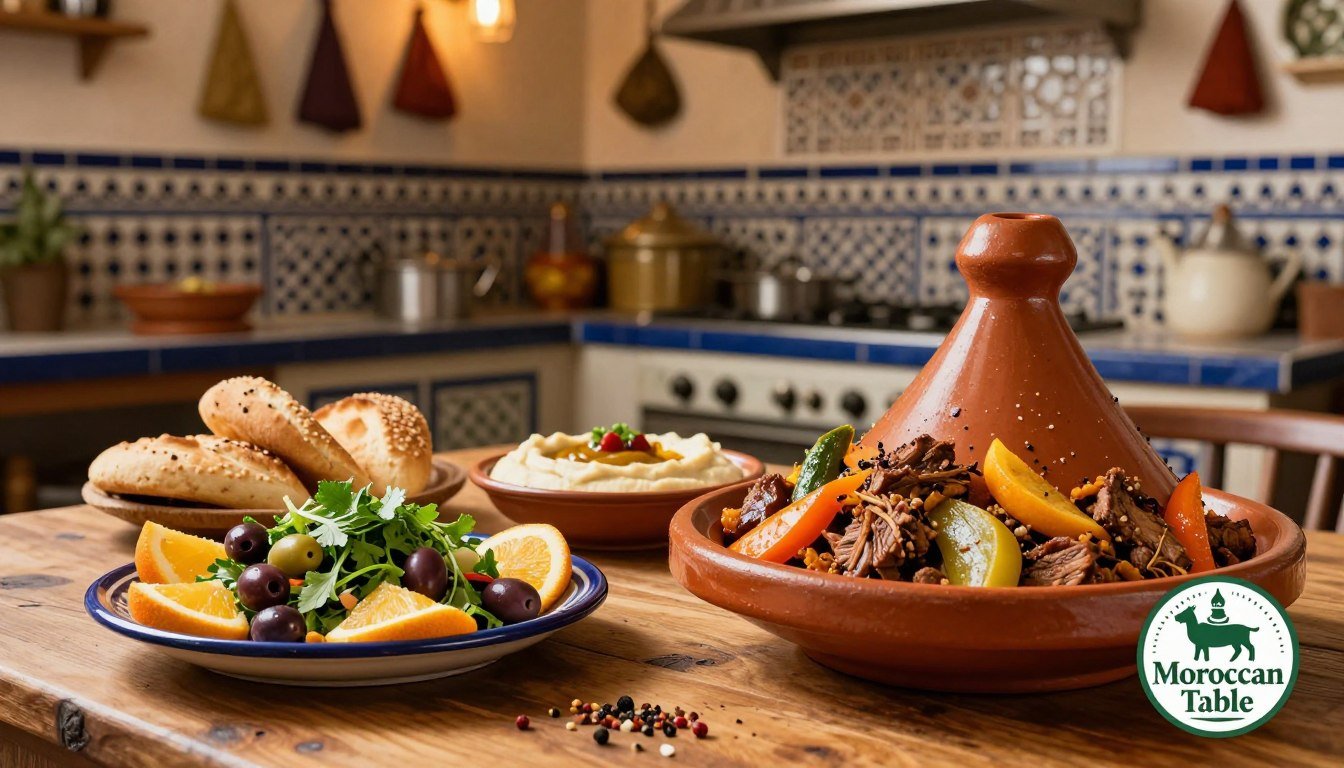
Moroccan cuisine is a mix of Mediterranean and North African tastes. It has a special nutritional profile. Traditional Moroccan dishes use fresh ingredients, herbs, and spices. These add to their health benefits.
The nutritional value of Moroccan cuisine comes from its balanced food groups. Research shows that Moroccan dishes are full of nutrients. They offer many health benefits, making them a smart choice for a healthy diet.
Key Takeaways
- Moroccan cuisine offers a unique blend of Mediterranean and North African flavors.
- Traditional Moroccan dishes are rich in nutrients and have numerous health benefits.
- The nutritional value of Moroccan cuisine lies in its balance of various food groups.
- Moroccan cuisine is characterized by its use of fresh ingredients, herbs, and spices.
- Healthy Moroccan dishes can be a great option for those seeking a balanced diet.
The Foundations of Moroccan Cuisine
Moroccan cuisine is a colorful mix of different cultures. It’s shaped by its location at the crossroads of the Mediterranean and Africa. This has created a special blend of flavors and ingredients.
Historical and Cultural Influences on Moroccan Diet
Moroccan food reflects the country’s rich history. It’s influenced by Arab, Mediterranean, and African cultures. Traditional Moroccan cooking and ingredients have been kept alive through generations.
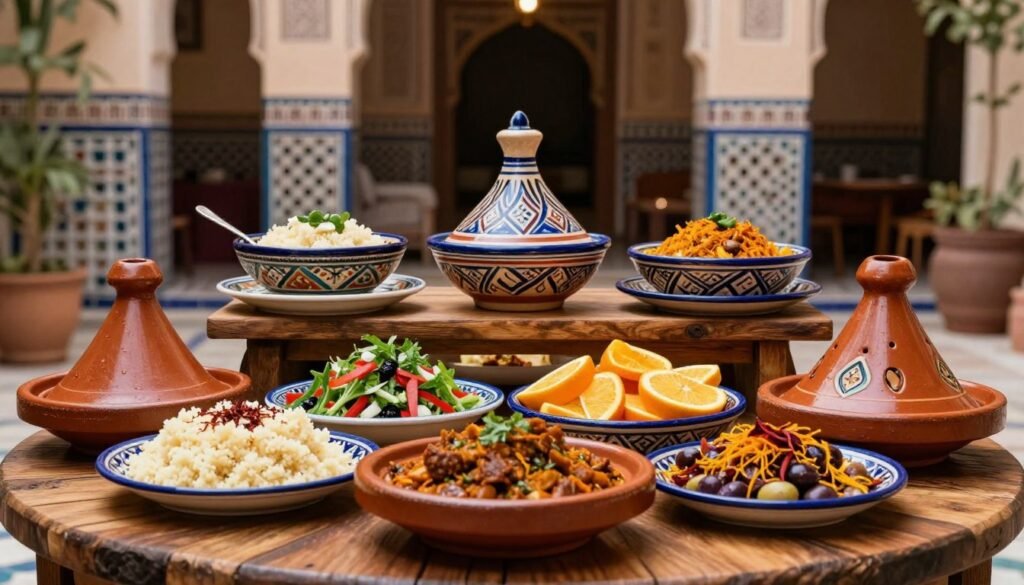
Key Ingredients in Traditional Moroccan Cooking
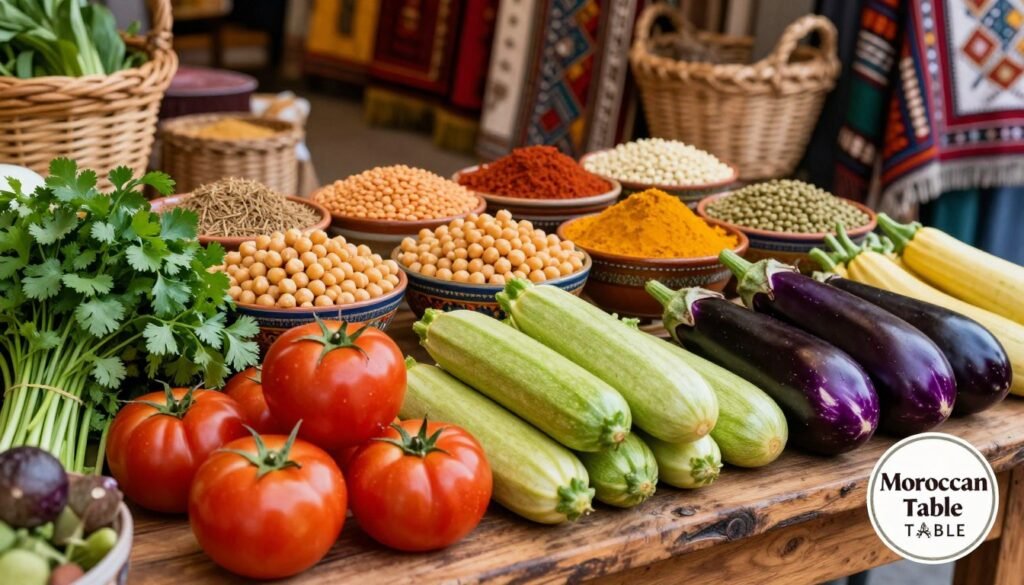
Important ingredients in Moroccan food include olive oil, spices, fruits, vegetables, and legumes. These are mixed to make tasty and healthy meals. Using fresh and locally sourced ingredients is key in traditional Moroccan cooking.
| Ingredient | Nutritional Benefit |
|---|---|
| Olive Oil | Rich in heart-healthy monounsaturated fats |
| Spices (Cumin, Turmeric, Cinnamon) | Anti-inflammatory properties |
| Fruits and Vegetables | High in fiber, vitamins, and minerals |
The Mediterranean-North African Fusion
The mix of Mediterranean and North African cuisines makes Moroccan food unique and tasty. This blend adds to the nutritional value of Moroccan dishes, making them both healthy and delicious.
Essential Ingredients and Their Nutritional Profiles
Moroccan cooking is all about using ingredients that are good for you. These ingredients make Moroccan food not just tasty but also healthy. Each ingredient adds its own special nutritional benefits.
Olive Oil and Its Heart-Healthy Benefits
Olive oil is a key part of Moroccan cooking. It adds flavor and is good for your heart. It’s full of healthy fats that help keep your heart strong.
Spices: Beyond Flavor to Medicinal Properties
Spices in Moroccan food do more than just taste good. They have health benefits too. For example, cumin helps with digestion. And turmeric has a compound called curcumin that fights inflammation and is full of antioxidants.
Fruits, Vegetables, and Legumes in Moroccan Dishes
Fruits, veggies, and legumes are big in Moroccan cooking. They add fiber, vitamins, and minerals. You’ll find them in tagines, couscous, and salads.
Nutrient Density of Common Moroccan Produce
Oranges, lemons, and tomatoes are common in Morocco. They’re packed with vitamins C and A, and lycopene, an antioxidant.
Seasonal Eating Patterns in Morocco
Moroccans eat with the seasons. They choose produce that’s fresh and in season. This way, they get the most nutritional value from their food.
| Ingredient | Nutritional Benefit |
|---|---|
| Olive Oil | Rich in monounsaturated fats, heart health |
| Turmeric | Anti-inflammatory, antioxidant properties |
| Oranges | High in Vitamin C, antioxidant properties |
Analyzing Popular Moroccan Dishes: Is Moroccan Food Healthy?
Looking into Moroccan cuisine’s health, we must check the nutrients in its top dishes. Moroccan food is full of flavor and good for you, making it perfect for study.
Tagine: A Nutritional Breakdown
Tagine is a slow-cooked stew, named after its cooking pot. It’s a key dish in Moroccan food, offering protein and veggies for a healthy meal.
Protein and Vegetable Balance
Tagine gets its protein from lamb, chicken, or veggies, giving you important amino acids. The veggies add fiber, vitamins, and minerals, boosting the dish’s health value.
Caloric Content and Portion Considerations
The calories in tagine depend on its ingredients. A serving has 400 to 600 calories. Eating it in moderation helps keep your diet balanced.
Couscous: Carbohydrate Content and Fiber Benefits
Couscous is a traditional dish from North Africa, made from durum wheat semolina. It’s rich in carbs and fiber, thanks to veggies and lean proteins.
Harira Soup: Protein and Nutrient Density
Harira is a filling soup with tomatoes, lentils, chickpeas, and spices. It’s packed with protein and fiber. The lentils and chickpeas add plant-based protein, while tomatoes bring vitamin C and lycopene, an antioxidant.
In summary, dishes like tagine, couscous, and harira soup are nutrient-rich. They make Moroccan cuisine a healthy choice when eaten in moderation.
The Role of Spices in Moroccan Cuisine’s Health Benefits
Spices are key in Moroccan cooking, adding flavor and health benefits. Moroccan spices have many health perks, like fighting inflammation and boosting antioxidants.
Cumin, Turmeric, and Cinnamon: Anti-inflammatory Properties
Cumin, turmeric, and cinnamon are common in Moroccan dishes. They help fight inflammation. Cumin helps with digestion and reduces inflammation. Turmeric has curcumin, which fights inflammation and is an antioxidant. Cinnamon lowers inflammation and is good for the heart.
Saffron and Ginger: Antioxidant Powerhouses
Saffron and ginger are also important in Moroccan cooking. They are full of antioxidants. Saffron boosts mood and has antioxidant benefits. Ginger fights inflammation and helps with digestion.
How to Incorporate Healing Spices into Daily Cooking
Adding these spices to your meals is easy. Use cumin in stews or soups, turmeric in curries, and cinnamon on oatmeal or yogurt. Try saffron and ginger in teas or rice dishes for more flavor and health benefits.
Cooking Methods: How Traditional Techniques Preserve Nutrients
Traditional Moroccan cooking is not just tasty but also keeps nutrients safe. Using special cooking ways and tools, like tagines and steamers, helps keep food’s good stuff in.
Slow Cooking in Tagines: Nutrient Retention
Slow cooking in tagines is key in Moroccan cooking. It gently heats food, keeping nutrients in veggies, meats, and spices. The slow cooking makes meat tender and easy to digest, and brings out deep flavors.
Steaming: The Healthful Preparation of Couscous
Steaming is a traditional Moroccan way to cook couscous. Steaming keeps couscous’s fiber and water-soluble vitamins in. It makes couscous light and fluffy, perfect with many Moroccan dishes.
Step-by-Step Guide to Healthy Moroccan Cooking Techniques
To cook healthy Moroccan dishes, follow these easy steps:
- Use a tagine or a heavy pot with a lid for slow cooking.
- Steam your couscous in a steamer basket to keep its nutrients.
- Add lots of veggies, lean proteins, and whole grains to your meals.
By using these traditional Moroccan cooking methods, you can make tasty and healthy meals full of flavor and nutrients.
Protein Sources in Moroccan Diet
Protein is crucial in the Moroccan diet, coming from animals and plants. The variety of protein sources makes Moroccan food rich and flexible. It meets different dietary needs and tastes.
Lean Meats: Lamb and Poultry Preparations
Lamb and poultry are key protein sources in Moroccan cooking. Lamb is often used in traditional dishes like tagines, slow-cooked with veggies and spices. This makes it tender and flavorful. Chicken, too, is common, often cooked in tagine-style or roasted with spices.
Fish and Seafood in Coastal Moroccan Cuisine
In coastal areas, fish and seafood are big in the Moroccan diet. Grilled fish and seafood dishes are favorites, seasoned with local spices and herbs. Their freshness adds to their nutritional value, making them a healthy option.
Plant-Based Proteins: Legumes and Nuts
Plant-based proteins are also big in Moroccan cuisine. Legumes like lentils, chickpeas, and fava beans are used in soups, stews, and salads. They offer protein, fiber, and minerals. Nuts, like almonds, add protein and crunch to dishes.
How to Balance Protein Sources for Optimal Nutrition
It’s important to balance protein sources for the best nutrition. Mix lean meats, fish, legumes, and nuts in your diet. This variety ensures you get all the amino acids and nutrients you need. For example, eating legumes with grains can give you a complete protein, which is good for your health.
Carbohydrates and Fiber: The Moroccan Balance
Moroccan cuisine balances carbohydrates and fiber well, key for a healthy diet. This balance comes from whole grains, fruits, vegetables, and special cooking methods. These methods help keep nutrients in the food.
Whole Grains in Traditional Dishes
Whole grains are key in Moroccan food, with couscous being a big deal. Couscous, made from semolina flour, is full of complex carbs. It’s often paired with veggies and lean meats for a balanced meal. Barley is also used in soups and stews.
Fruits and Vegetables: Natural Sugar and Fiber Content
Moroccan dishes are full of fruits and veggies, great for natural sugars and fiber. Tagines often have many veggies, adding fiber. Fruits sweeten desserts and add flavor to savory dishes.
How to Create Low-Glycemic Moroccan Meals
To make low-glycemic Moroccan meals, choose more fiber and whole grains. Use whole wheat flour for bread and add lots of veggies to tagines. Legumes like lentils and chickpeas are also good for fiber and protein.
| Food Item | Carbohydrate Content | Fiber Content |
|---|---|---|
| Couscous (1 cup cooked) | 36g | 2g |
| Lentils (1 cup cooked) | 40g | 16g |
| Dates (100g) | 75g | 8g |
Potential Health Concerns in Moroccan Cuisine
Moroccan food is famous for its rich tastes and health benefits. Yet, there are health risks to consider. Moroccan dishes often mix ingredients high in sodium or sugar, which can be harmful if eaten too much.
Sodium Content in Preserved Foods
Preserved foods like olives, lemons, and meats are common in Moroccan cooking. “These foods can be high in sodium,” warns a nutrition expert. “This is a problem for people with high blood pressure or at risk of it.” To avoid this, rinse these foods before using them or choose low-sodium options when you can.
Sugar in Moroccan Sweets and Desserts
Moroccan sweets, such as baklava and makroud, are sweet and tasty. But eating too much of them can cause health problems like obesity and diabetes. It’s important to enjoy these sweets in moderation.
How to Modify Traditional Recipes for Health-Conscious Diets
It’s possible to make traditional Moroccan recipes healthier without losing their flavor. You can do this by cutting down on salt and sugar or swapping out ingredients for better ones.
Reducing Salt While Maintaining Flavor
To cut down on salt, use herbs and spices to add flavor. Cumin, coriander, and ginger can make dishes taste great without needing lots of salt. Also, try salt-free seasoning blends to lower sodium intake.
Healthier Alternatives to Traditional Sweeteners
If you want to eat less sugar, try using honey or maple syrup in small amounts. Remember, even natural sweeteners should be used sparingly. You can also lessen the amount of sweetener in recipes or use fruit purees as a sweetener.
By keeping these health concerns in mind and making a few tweaks, you can enjoy Moroccan food as part of a healthy diet.
How to Adopt Healthy Moroccan Eating Habits
Embracing Moroccan cooking can make your diet balanced and healthy. Moroccan food is full of flavors and diverse ingredients. It’s perfect for those wanting to eat healthier.
Creating a Balanced Moroccan-Inspired Meal Plan
A balanced Moroccan meal plan includes a variety of dishes. These dishes are full of nutrients. Here’s how to do it:
- Make sure your meals have vegetables, lean proteins, and whole grains.
- Use herbs and spices for flavor instead of salt and sugar.
- Plan your meals ahead to make healthy choices easier.
Weekly Menu Template with Nutritional Balance
Here’s a sample menu that’s balanced:
| Day | Breakfast | Lunch | Dinner |
|---|---|---|---|
| Monday | Oatmeal with fruits | Grilled chicken tagine | Couscous with vegetables |
| Tuesday | Yogurt with honey and almonds | Harira soup | Baked fish with preserved lemons |
| Wednesday | Fresh fruit salad | Chicken and vegetable tagine | Whole grain bread with olive oil |
Portion Control Guidelines for Traditional Dishes
Controlling portions is key to healthy eating. Here are some tips:
- Use smaller plates to eat less.
- Watch how much couscous and tagine you eat.
- Don’t overuse nuts and dried fruits because they’re high in calories.
Adapting Recipes for Specific Dietary Needs
Moroccan food can be changed to fit different diets. For example:
Gluten-Free Moroccan Options
If you can’t have gluten, try these:
- Make couscous with corn or rice flour.
- Use chicken or fish in gluten-free tagine recipes.
Low-Carb and Keto-Friendly Moroccan Cooking
For a low-carb or keto diet, try these:
- Use cauliflower rice instead of couscous.
- Choose vegetable-based dishes as main courses.
Shopping Guide for Authentic, Healthy Moroccan Ingredients
To cook real Moroccan dishes, you need the right ingredients. Here’s how to find them:
Essential Spices to Keep on Hand
- Cumin
- Turmeric
- Cinnamon
- Ginger
- Saffron
Finding Quality Ingredients in American Markets
For Moroccan ingredients in the US, try these places:
- Middle Eastern or North African grocery stores.
- Specialty food stores with international ingredients.
- Online retailers that ship worldwide.
Conclusion: The Place of Moroccan Cuisine in a Healthy Diet
Moroccan cuisine is a mix of flavors and nutrients, perfect for a healthy diet. It uses olive oil, spices, fruits, vegetables, and whole grains. These ingredients offer heart-healthy fats and anti-inflammatory benefits.
Traditional dishes like tagine and couscous are full of flavor and nutrients. Adding Moroccan cooking techniques and ingredients to meals can boost health and well-being.
Moroccan cuisine is more than just food; it’s a cultural and culinary experience. It brings people together. By adopting healthy Moroccan eating habits, one can enjoy a balanced diet full of flavor and cultural heritage.