
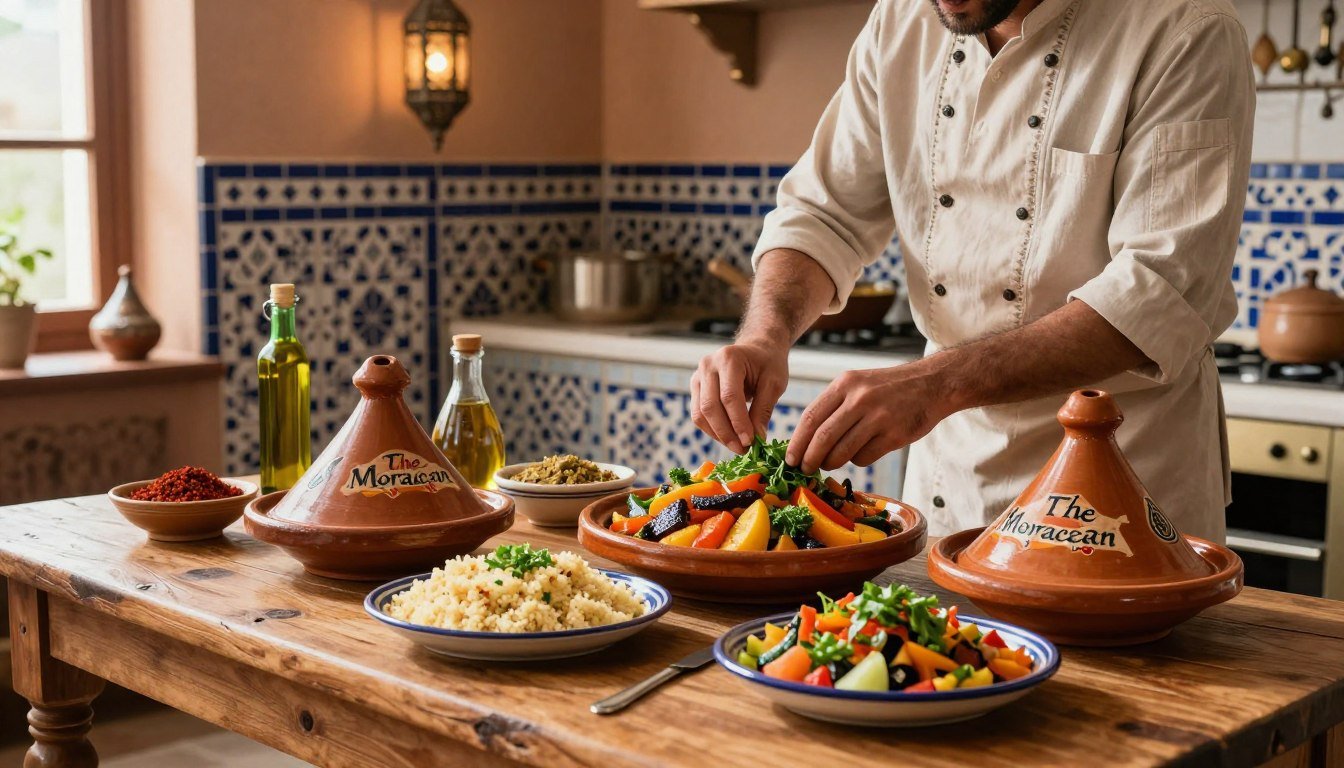
Moroccan cuisine is famous for its deep flavors and smells. It’s often linked to meat dishes. But, Morocco also has many plant-based options.
The Moroccan diet is shaped by its culture and location. It uses local ingredients and spices. By making these dishes plant-based, you can enjoy Moroccan flavors without meat.
Key Takeaways
- Exploring the rich culinary heritage of Morocco
- Discovering traditional Moroccan dishes that can be adapted to plant-based versions
- Learning about the key ingredients and spices used in Moroccan cooking
- Understanding the benefits of plant-based Moroccan cooking
- Finding inspiration for vegan Moroccan recipes
The Rich Heritage of Moroccan Cuisine
Moroccan cuisine is a mix of many cultures. It has been shaped by Berber, Arab, Mediterranean, and African traditions.
Historical Influences on Moroccan Food
Morocco’s location at the crossroads of the Mediterranean and Africa has shaped its food. Trade brought exotic spices and cooking methods. These have become part of Moroccan dishes.
Plant-Based Traditions in Morocco
Plant-based food is a big part of Moroccan cooking. Many dishes are vegan or can be made vegan easily.
Regional Variations in Vegetable Dishes
Dishes vary by region, showing local produce and culture. Coastal and mountain areas use different vegetables and spices.
| Region | Common Vegetables | Signature Dishes |
|---|---|---|
| Coastal | Tomatoes, peppers | Taktouka |
| Mountainous | Root vegetables, leafy greens | Zaalouk |
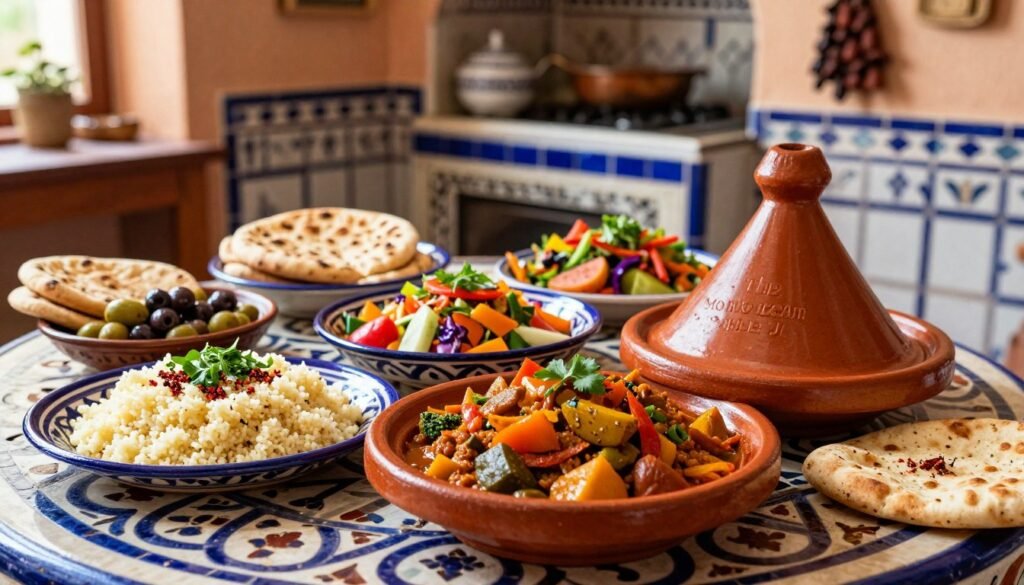
Moroccan cuisine’s diversity shows its rich cultural background. Knowing these influences helps us appreciate Moroccan cooking’s complexity.
Essential Ingredients for Vegan Moroccan Recipes
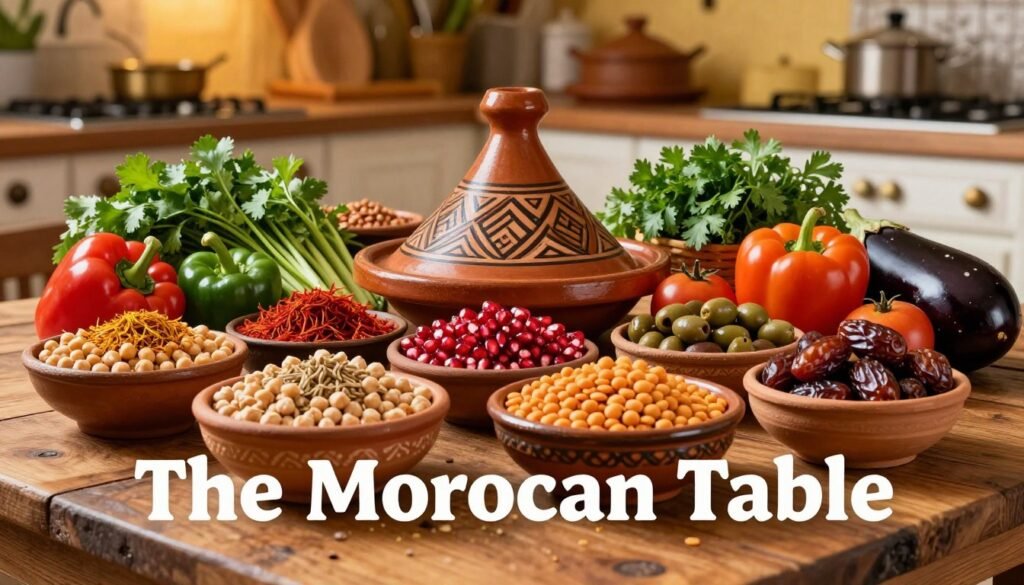
To make real vegan Moroccan recipes, you need the right ingredients. These are key to the rich flavors and smells of Moroccan dishes. Grains, legumes, vegetables, fruits, and nuts are all important.
Staple Grains and Legumes
Grains and legumes are the heart of vegan Moroccan cooking. Couscous, made from semolina flour, is a big part of many meals. Legumes like lentils, chickpeas, and fava beans are used in stews and soups.
- Couscous
- Lentils
- Chickpeas
- Fava beans
Vegetables Central to Moroccan Cooking
Vegetables are key in Moroccan cooking. Tomatoes, bell peppers, and eggplants add flavor to dishes. Preserved lemons give a salty, tangy taste.
Fruits and Nuts in Savory Dishes
Fruits and nuts are used in savory dishes, a Moroccan cooking trait. Dried fruits like apricots and prunes are in tagines. Almonds and pistachios add crunch to recipes.
Where to Find Authentic Ingredients
You can find real Moroccan ingredients in Middle Eastern or North African stores, or online. Many common items, like couscous and chickpeas, are in most supermarkets.
The Moroccan Spice Cabinet
Moroccan cuisine is all about its rich spice blends. These blends give dishes their complex flavors. Let’s dive into what makes up a Moroccan spice cabinet.
Essential Spice Blends: Ras el Hanout
Ras el Hanout means “head of the shop” in Arabic. It’s a mix of the best spices, like cinnamon, cumin, and coriander. This blend is key for many Moroccan dishes.
How to Make Your Own Ras el Hanout
To make your own Ras el Hanout, mix these spices:
- 2 tablespoons ground cumin
- 2 tablespoons ground coriander
- 1 tablespoon ground cinnamon
- 1 tablespoon ground turmeric
- 1 tablespoon ground ginger
- 1 teaspoon ground cayenne pepper
- 1 teaspoon ground black pepper
Just mix them together and store in a sealed container.
Single Spices Every Cook Should Have
There are also single spices that are must-haves in Moroccan cooking. These include:
- Cumin: Adds warmth and depth to dishes
- Coriander: Provides a slightly sweet, citrusy flavor
- Cinnamon: Used in both sweet and savory dishes
Preserved Lemons and Other Flavor Enhancers
Preserved lemons are a big deal in Moroccan cooking. They add a salty, tangy taste that boosts dish flavors.
Step-by-Step Preserved Lemon Preparation
To make preserved lemons, slice lemons thinly. Then, layer them in a jar with salt. Let them sit for weeks, shaking the jar now and then.
Traditional Cooking Vessels and Techniques
Moroccan cuisine is known for its unique flavors. These come from special cooking vessels and techniques. The tagine, for example, is key to Moroccan cooking’s taste and texture.
The Tagine: Form and Function
The tagine is a clay pot with a conical lid. It’s a symbol of Moroccan cooking. Its design helps slow cook ingredients, blending them into rich, aromatic stews.
Alternatives for Home Cooks
While the traditional tagine is perfect, home cooks can use other vessels. Dutch ovens and slow cookers work well. They mimic the slow cooking needed for Moroccan dishes.
Using Dutch Ovens and Slow Cookers
Dutch ovens and slow cookers are great for home cooks. They slow cook stews and braises like a tagine. The trick is to cook at low heat for a long time. This ensures flavors are fully developed.
Mastering Slow Cooking Methods
Slow cooking takes patience but pays off. Cooking ingredients low and slow lets flavors mix. This creates complex, satisfying dishes.
| Cooking Vessel | Characteristics | Best For |
|---|---|---|
| Tagine | Clay pot with conical lid, ideal for slow cooking | Traditional Moroccan stews and braises |
| Dutch Oven | Heavy pot with tight-fitting lid, suitable for slow cooking and braising | Hearty stews and casseroles |
| Slow Cooker | Electric appliance for cooking over long periods at low temperatures | Convenient, hands-off slow cooking |
Plant-Based Tagine Recipes
Tagine, the iconic Moroccan stew, is a perfect canvas for plant-based creativity. This traditional North African dish is known for its rich flavors and hearty ingredients. It’s an ideal choice for vegan adaptations.
Vegetable Tagine with Preserved Lemon
A vibrant and flavorful option, vegetable tagine with preserved lemon is a staple in Moroccan cuisine. The preserved lemon adds a salty, tangy flavor that complements the vegetables perfectly.
Step-by-Step Cooking Instructions
To prepare this dish, start by sautéing onions and garlic. Then add a mix of your favorite vegetables, such as carrots, potatoes, and zucchini. Incorporate preserved lemon, chopped into small pieces, and a blend of Moroccan spices.
Simmer the mixture in a tagine or slow cooker until the vegetables are tender.
Chickpea and Apricot Tagine
For a protein-packed meal, chickpea and apricot tagine is an excellent choice. The sweetness of the apricots balances the earthiness of the chickpeas, creating a harmonious flavor profile.
Butternut Squash and Prune Tagine
This sweet and savory tagine combines roasted butternut squash with prunes, resulting in a rich and comforting dish. The prunes add a deep, fruity flavor that pairs well with the squash.
Tips for Perfect Texture and Flavor
To achieve the perfect texture, ensure that the squash is cooked until tender. For enhanced flavor, use a variety of spices, including cumin, coriander, and cinnamon. Don’t hesitate to add a bit of sweetness with a drizzle of date syrup.
These plant-based tagine recipes showcase the versatility and richness of Moroccan cuisine. They offer delicious and satisfying meal options for vegans and non-vegans alike.
Vegan Moroccan Recipes for Couscous Dishes
Vegan Moroccan couscous recipes show a rich culinary heritage. Couscous, a traditional North African dish, has been a staple in Moroccan cuisine for centuries. Its versatility makes it an ideal base for a variety of vegan creations.
Seven-Vegetable Couscous
Seven-Vegetable Couscous is a quintessential Moroccan dish. It’s a hearty, flavorful meal that embodies the spirit of vegan Moroccan cooking. This dish includes a variety of vegetables like carrots, zucchini, and eggplant, all cooked to perfection and served over couscous.
Couscous with Caramelized Onions and Raisins
Couscous with Caramelized Onions and Raisins is a sweeter take on couscous. The sweetness of the caramelized onions and raisins pairs beautifully with the savory flavor of the couscous, creating a well-balanced dish.
Proper Couscous Preparation Techniques
Preparing couscous correctly is crucial for achieving the right texture. Traditional couscous preparation involves steaming the couscous over a flavorful broth. This infuses the grains with taste.
Traditional vs. Quick-Cook Methods
While traditional steaming is ideal, quick-cook methods can also produce satisfactory results. The key is to use the right ratio of water to couscous and to fluff the couscous after cooking to prevent clumping.
In conclusion, vegan Moroccan couscous dishes offer a diverse and flavorful culinary experience. Whether you opt for the traditional seven-vegetable couscous or a simpler couscous with caramelized onions and raisins, the key to a great dish lies in the preparation technique and the quality of the ingredients used.
Plant-Based Moroccan Soups and Stews
Moroccan cuisine is famous for its rich soups and stews. Many of these can be made vegan. These dishes are key to Moroccan cooking and use plant-based ingredients.
Harira: The Traditional Soup Made Vegan
Harira is a traditional Moroccan soup. It’s made with tomatoes, lentils, chickpeas, and spices. To make it vegan, we use vegetable broth instead of meat broth.
Protein Substitutions for Authentic Texture
To keep Harira’s texture, use tofu or tempeh. These can be marinated and cooked like traditional ingredients.
Bissara: Fava Bean Soup
Bissara is a hearty fava bean soup. It’s made by cooking dried fava beans with garlic and spices. Then, they’re blended into a smooth soup.
Loubia: White Bean Stew
Loubia is a comforting white bean stew. It’s flavored with cumin, coriander, and olive oil. To cook dried beans, soak them overnight and simmer until tender.
Cooking Dried Beans Properly
Cooking dried beans needs care for the right texture. Soaking them overnight and cooking slowly with aromatics makes a big difference.
| Soup/Stew | Main Ingredients | Vegan Adaptation |
|---|---|---|
| Harira | Tomatoes, Lentils, Chickpeas | Use vegetable broth instead of meat broth |
| Bissara | Fava Beans, Garlic, Spices | None needed, naturally vegan |
| Loubia | White Beans, Cumin, Coriander | Soak and cook dried beans properly |
Moroccan Salads and Cold Dishes
Moroccan salads are more than just a side dish. They show the country’s rich cultural mix. They’re great for hot summer days when you want something light and refreshing.
Zaalouk: Eggplant and Tomato Salad
Zaalouk is a classic Moroccan salad. It’s made with roasted eggplants and tomatoes. It’s seasoned with garlic, olive oil, and spices. This salad highlights the bold flavors of Moroccan food.
Roasting Techniques for Maximum Flavor
To get the best taste in Zaalouk, roast the eggplants and tomatoes right. Char them over an open flame or in the oven until they’re blistered. Then, peel off the skin to reveal the soft flesh inside.
Taktouka: Roasted Pepper Salad
Taktouka is a favorite Moroccan salad. It’s made with roasted red peppers, tomatoes, garlic, and spices. The ingredients are grilled or roasted to bring out their sweetness. Then, they’re chopped and mixed together.
Moroccan Carrot Salad with Cumin
This salad is simple yet full of flavor. It’s made with grated carrots, cumin, garlic, and olive oil. The cumin gives it a warm, earthy taste that goes well with the carrots’ sweetness.
Make-Ahead Tips for Entertaining
Many Moroccan salads can be made ahead of time. This makes them perfect for parties. Just prep the ingredients, store them in the fridge, and mix the salads just before serving. This keeps them fresh and full of flavor.
Vegan Versions of Traditional Moroccan Pastries
Moroccan pastries are famous for their beautiful designs and rich tastes. Vegans can enjoy these treats too, thanks to simple swaps. Instead of honey and butter, vegans can use plant-based alternatives.
Plant-Based Bastilla
Bastilla is a beloved Moroccan pastry, and vegan versions are just as stunning. To make vegan Bastilla, fill it with spiced veggies or tofu. Working with phyllo dough is key; keep it moist with a damp cloth.
Working with Phyllo Dough
Phyllo dough might seem scary, but it’s easy once you get the hang of it. Layering it with vegan butter or oil gives it a flaky texture. Make sure to brush each layer well to avoid dry spots.
Vegan Briouat Adaptations
Briouat are Moroccan dumplings, sweet or savory. Vegan versions can be filled with almond paste or fruit. The trick is to keep the flavors and textures balanced.
Sweet Treats Without Animal Products
Moroccan desserts like baklava and makroud can be vegan. Just swap honey for maple syrup and use vegan butter. Substituting honey and butter is simple; plant-based options work great.
Substituting Honey and Butter
Replace honey with maple syrup or agave nectar. Use vegan butter or coconut oil instead of regular butter. These swaps keep the pastry’s taste and texture intact.
Moroccan Breads and Accompaniments
Moroccan breads like Khobz and Batbout are found in every home. They’re served with tasty condiments. These breads are more than just sides; they’re a big part of Moroccan meals.
Khobz: Traditional Moroccan Bread
Khobz is a traditional Moroccan bread. It’s crusty outside and soft inside. It’s made with flour, water, yeast, and salt.
Kneading and Shaping Techniques
The secret to great Khobz is in kneading and shaping. The dough must be kneaded for at least 10 minutes. Then, it’s shaped into round loaves.
Batbout: Stovetop Flatbread
Batbout is a favorite Moroccan bread, cooked on the stovetop. It’s soft, slightly leavened, and great for soaking up sauces.
Harissa and Other Condiments
No Moroccan meal is complete without Harissa, a spicy chili paste. It adds heat and flavor to dishes.
Balancing Heat and Flavor
Using Harissa right means balancing its heat with other tastes. It’s often mixed with olive oil, garlic, and lemon juice. This creates a tasty dip or sauce.
Creating a Complete Moroccan Meal Experience
A Moroccan meal is more than just food. It’s a journey of taste and culture. To truly experience it, you need to know about serving methods, etiquette, and the mint tea ceremony.
Traditional Serving Methods
In Morocco, meals are served on low tables or decorative trays. The dishes are arranged to look good. Presentation is key, making the meal a feast for the eyes.
Dining Etiquette
Moroccan dining is all about respect and hospitality. Guests are treated with great respect. It’s important to wash your hands before and after eating.
Eating with your right hand is considered polite. This is because the left hand is seen as unclean.
Mint Tea Ceremony
No Moroccan meal is complete without mint tea. This ceremony shows hospitality and friendship. The tea is poured high to create a frothy top.
Selecting and Brewing the Perfect Tea
To make the perfect mint tea, use high-quality green tea and fresh mint. Adjust the mint to taste, but use a lot traditionally. Heating the tea pot before adding tea and mint enhances the flavors.
Conclusion: Embracing Plant-Based Moroccan Cooking
Exploring Moroccan cuisine opens a world of flavors that fit perfectly with plant-based cooking. This article has shown the wide range of vegan Moroccan recipes. It proves how rich and varied this cooking tradition is.
By using key ingredients, learning traditional cooking methods, and trying new recipes, you can bring Morocco’s flavors home. You can make everything from hearty tagines and couscous to fresh salads and sweet pastries. Plant-based Moroccan cooking has something for every meal.
Choosing vegan Moroccan recipes brings new tastes and supports a kinder, greener way of cooking. As you keep exploring plant-based Moroccan cooking, you’ll find happiness in making healthy, tasty meals. These are great for sharing with loved ones.